



Skip to content
Contact us
    Select language
    Biomethanol | Topsoe

    Biomethanol

    Biomethanol is produced from waste streams like solid biomass, or biogas. It is a low-carbon drop-in replacement for conventional methanol

     
    Contact us

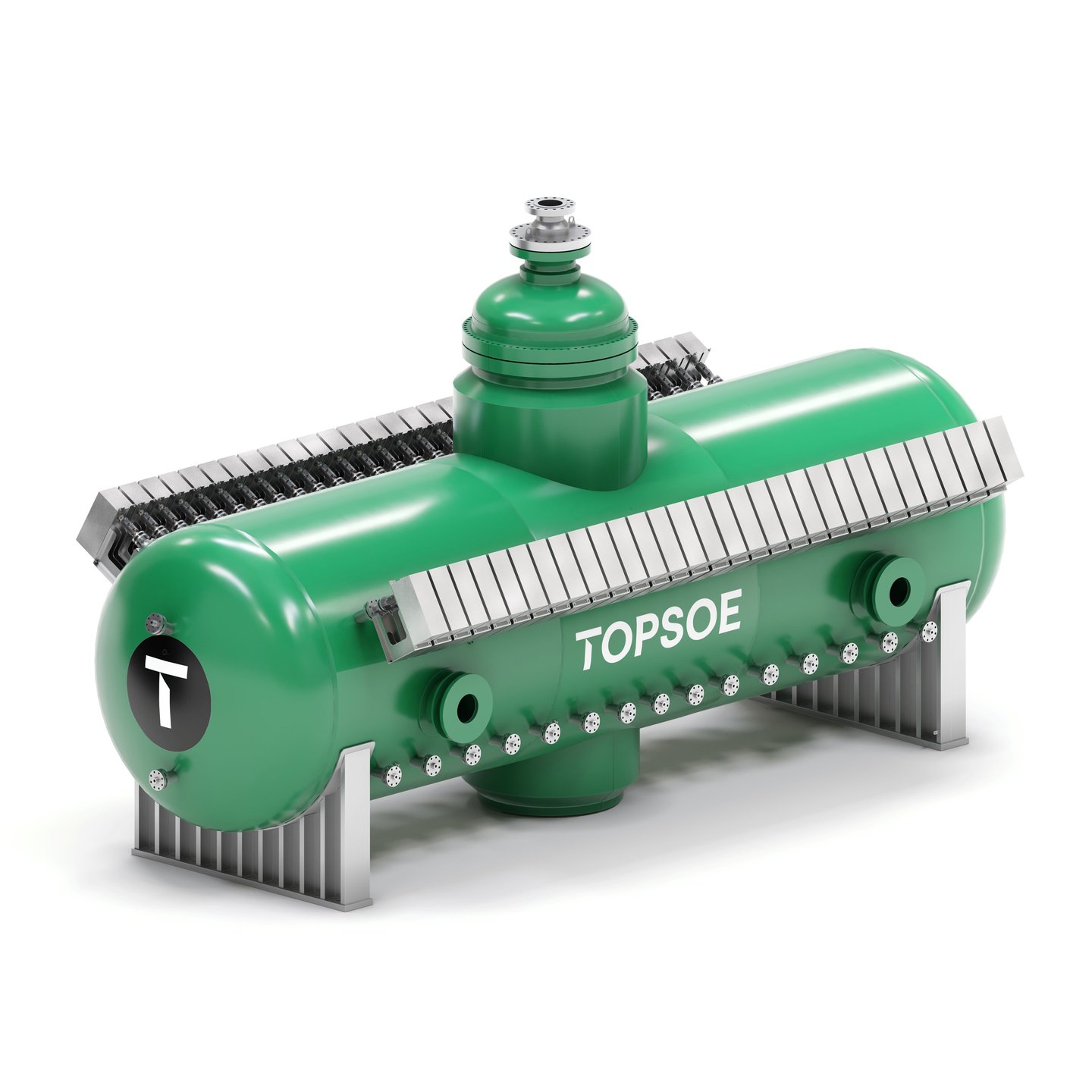
    Our eREACT™ electrified reformer technology offers biomethanol producers massive advantages by using electricity for heat rather than burning off expensive feedstock when reforming biogas into syngas.

    Block icon

    Electrified reforming technology.

    Block icon

    High-activity methanol production catalysts

    Block icon

    Lowest levelized cost of bioMeOH using our eREACT™ technology

    What is biomethanol? | Topsoe

    What is biomethanol?

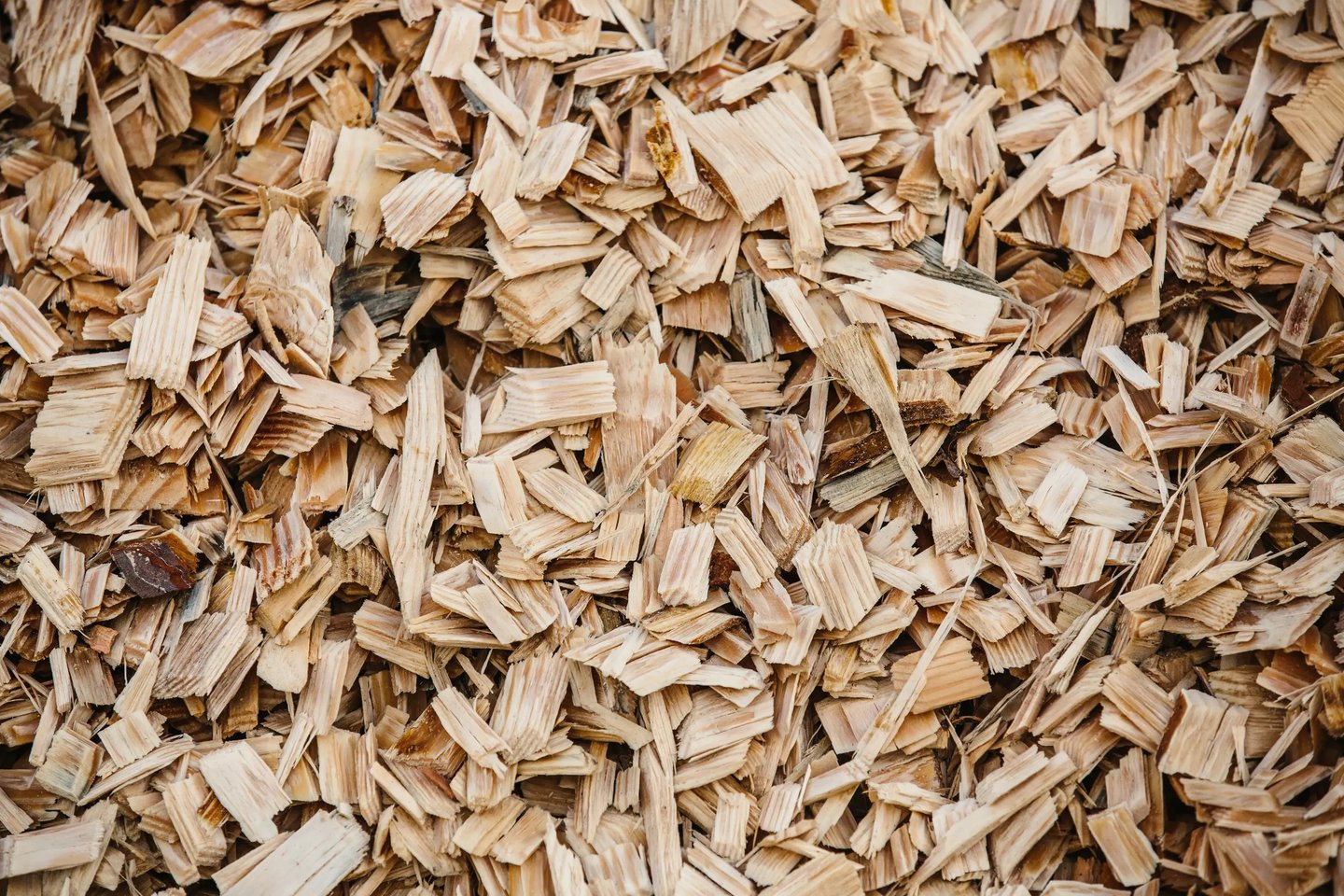
    Biomethanol (bioMeOH) is essentially methanol (CH3OH) produced from waste streams. There are two pathways to biomethanol: One is based on waste biomass like woodchips or municipal solid waste which is gasified into syngas. The other is based on using anaerobic digestion to turn waste like agricultural residues or wastewater sludge into biogas, which is then reformed into syngas. The syngas from either pathway can then be reformed into biomethanol using steam methane reforming technologies or electrified reformering like our eREACT™. 
     

    What makes biomethanol useful?

    Methanol (CH3OH) has long been a key product within the chemical industry. Biomethanol has the exact same chemical properties as conventional methanol but comes with a much lower – or even negative – carbon footprint. It has a wide variety of applications, including as a drop-in fuel, a blending fuel or as a stepping stone to producing jet fuel or gasoline, or for producing chemicals like formaldehyde, acetic acid and plastics. 

    Electrify your syngas production | Topsoe

    Electrify your syngas production

    eREACTTM is the electrified counterpart to the world's most common hydrogen production method: steam methane reforming (SMR). The main difference between eREACT and SMR lies in the heat generation process. SMR relies on the combustion of natural gas or valuable biomethane for heat generation, which results in CO2 emissions, increased expenses, and wasted carbon molecules. eREACT, on the other hand, relies on (renewable) electricity to drive the same reaction, resulting in ultra-low carbon intensity, and a remarkable reduction of over 99% in flue gas CO2 emissions compared to SMR.

    Related solutions

    e-methanol-interior-hero

    eMethanol solutions

    Renewables-optimized, available in four capacities, and modular for simplicity and fast deployment, Topsoe’s ModuLite™ eMeOH plant is a winning methanol synthesis solution.

    catalysts all-1

    Catalysts for methanol production

    We offer an extensive portfolio of expertly engineered catalysts to help you achieve optimal methanol production, regardless of what pathway you choose. 

    Vessel

    Ammonia

    Explore our innovative solutions for green, blue and conventional ammonia production. Discover how ammonia is driving the future of energy. 

    Blue hydrogen ration

    Hydrogen

    The abundance of hydrogen coupled with its sustainable production methods, positions it as a strong solution in the global energy transition. 

    cover-temp-720x406

    Card Title

    Brief description tincidunt neque viverra feugiat viverra mattis suspendisse montes fringilla. Dui viverra enim orci in vitae nisl.

    bofu-cta-row-image bofu-cta-row-image

    Contact us

    Do you have a question about our products or solutions? Or do you want to know how our technologies can support your business? Contact our experts today.