Skip to content
Contact us
    Select language
    renewable fuels road

    Renewable fuels

    Add full feedstock flexibility to your biorefinery with our proven solutions. 
    Contact us

    Our tried-and-tested technologies for producing renewable fuels with low carbon intensity from a wide selection of feedstocks are based on decades of experience and science.

    Block icon

    More than 1/3 of the world’s renewable diesel and SAF operating capacity is based on Topsoe technology.

    Block icon

    HydroFlex® technology was developed in 2004, commercially deployed in 2010, and is continuously updated to ensure that it is state-of-the-art.

    Block icon

    Full feedstock and end-product flexibility.

    Block icon

    Adding H2bridge™ technology to HydroFlex brings additional GHG emissions reductions - up to 95% in total.

    trucks driving on diesel in winter

    Increase flexibility to increase production

    As the demand for renewable fuels like renewable diesel (including HVO-100), Sustainable Marine Fuel (SMF) and Sustainable Aviation Fuel (SAF) grows, refineries will increasingly need the ability to process more demanding renewable feedstocks.  

    We are the main licensor and vendor of technologies and catalysts for producing low carbon intensity fuels. Our solutions offer full feedstock flexibility, with running references for co-processing advanced feedstocks such as cashew nutshell liquid (CNSL) and crude tall oil (CTO), in addition to well-established, but increasingly in-demand, renewable feedstocks. 

    topsoe_hydroflex_technology

    HydroFlex® – prepare your plant for the net-zero future

    We developed HydroFlex, a groundbreaking hydrotreating technology, in 2004. Today, HydroFlex is a tried and tested technology, with operating experience since 2010 and more than 20 HydroFlex units installed all over the world, operating alongside conventional units.

    HydroFlex technology lets you turn nearly any renewable feedstock into on-spec renewable fuel. Furthermore, by integrating our HydroFlex and H2bridge™ technologies you can produce renewable fuels achieving cradle to gate greenhouse gas (GHG) reductions of up to 95%, compared to fuel production based on fossil fuel with no CO2 abatement.1

    The setup and requirements for hydroprocessing renewable feedstocks differ from the processes used for refining conventional feedstocks. On top of this, the range of renewable feedstocks is wide, and they can pose different challenges. This makes unit design crucial, as well as selecting and loading the right catalysts and internals for the job. In short: feedstock flexibility is key to success. 

    renewable feedstock

    Feedstock flexibility – from waste to fuels with commercial technology

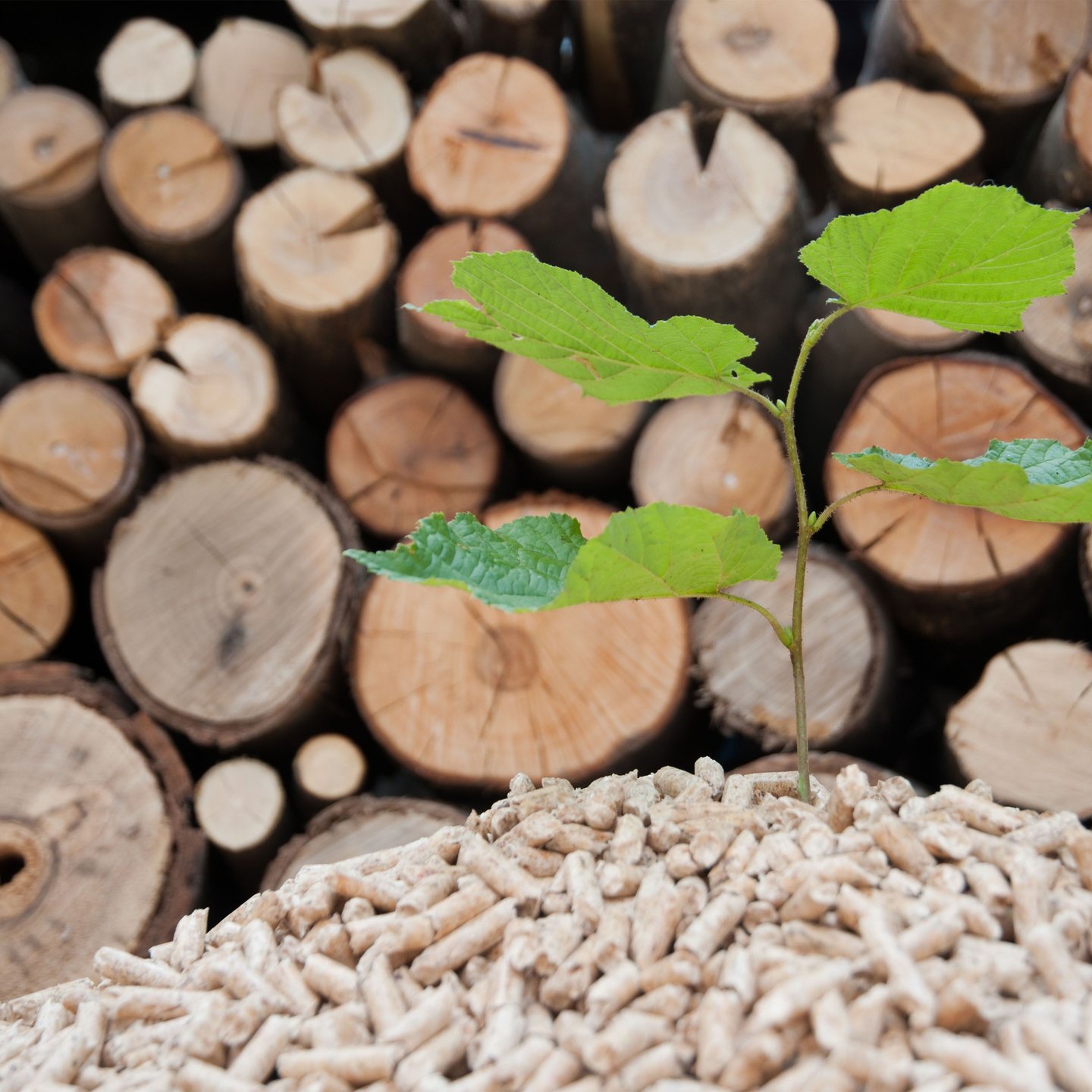
    As a leading global provider of advanced technology and solutions for the energy transition, we have extensive experience with various feedstocks such as biocrudes from biomass and waste, sewage sludge and algae. Our commercial operating experience includes Topsoe-designed plants processing waste oils like CNSL and CTO – with the latter in operation for over a decade.    

    HydroFlex technology gives you complete feedstock flexibility and allows you to design the unit to achieve optimal performance. This helps future-proof your business against challenges related to varying feedstock issues, such as supply and price fluctuations. It also helps you keep up with the latest developments and innovation on the feedstock side. 


    Topsoe pathway overview

    H2bridgeTM technology-1

    Lower your carbon footprint with H2bridge™

    Processing renewable feedstocks requires extra hydrogen compared to non-renewable feedstocks. This increased hydrogen consumption can cause significant GHG emissions.

    Our H2bridge technology lets you generate hydrogen directly in the process and produce renewable fuels with very low carbon intensity in a self-sustaining solution. This is achieved by replacing external conventional feedstocks for hydrogen production with renewable liquefied petroleum gas (LPG) or naphtha generated in HydroFlex.

    H2bridge and HydroFlex were designed to combine, giving you the benefit of a seamless feed-in to product-out process. This significantly lowers both GHG emissions and production costs. Depending on the plant’s requirements, it is possible to become self-sufficient and eliminate the consumption of natural gas.

    No one knows hydrogen production like we do. Together, we can find the hydrogen solution that is right for your refinery.

    A simple first step?

    Choose co-processing for your renewable fuels production

    By replacing even low amounts of conventional feedstock with renewable feedstock in your diesel or kerosene hydrotreater, your refinery can produce renewable fuel – and take the first step towards becoming a biorefinery.  

    Dive deeper into renewable fuels

    Naphtha from renewable feedstocks

    Make the most of the renewable naphtha you have from your fuel production process. Bionaphtha can be used as a fuel and feedstock source or used to make plastic. 

    Related solutions

    SAF Airplane runway-1

    Sustainable aviation fuel (SAF)

    With an innovative approach and a range of proven technologies, we are here to help you produce SAF.

    Circular Plastic - Pure innovation

    Circular plastic

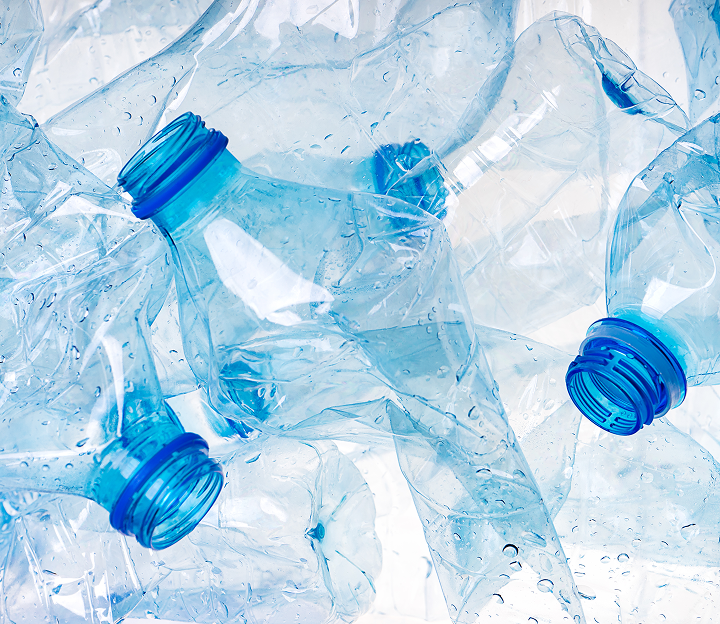
    Turn plastic waste into business opportunities using our proven technology.

    Conventional fuels-1

    Conventional fuels

    Our processes are efficient and driven by state-of-the-art catalysts to maximize your output at reduced costs and minimized CO2emissions.

    G2LTM technology

    e-Fuels

    We offer a wide range of proven solutions for the production of e-fuels.

    Hydrogen learn more

    Hydrogen

    Our extensive experience guarantees the scalability and economic viability of your hydrogen project.

    bofu-cta-row-image bofu-cta-row-image

    Contact us

    Do you have a question about our products or solutions? Or do you want to know how our technologies can support your business? Contact our experts today.

    References