

Skip to content
Contact us
    Select language

    Achieve optimal plant performance with catalyst technical services

    Published On April 27, 2026
    Written By

    Mårten Granroth

    Last Reviewed On April 27, 2026

    Throughout the lifetime of a sulfuric acid plant, from the original design to the turnarounds, acid plant operators will face a number of challenges, making it a constant struggle to maintain good performance without jeopardizing plant profitability. Designing with excess capacity, both in terms of productivity and emission control, will help create a buffer against unforeseen problems.  

    Achieve optimal plant performance with catalyst technical services 

    Throughout the lifetime of a sulfuric acid plant, from the original design to the turnarounds, acid plant operators will face a number of challenges, making it a constant struggle to maintain good performance without jeopardizing plant profitability. Designing with excess capacity, both in terms of productivity and emission control, will help create a buffer against unforeseen problems. It is, however, an expensive solution, as the extra capacity will remain unused for most of the time. A more cost-effective solution is to design the plant with only minor excess capacity and use a proactive maintenance plan to ensure that the plant achieves both emissions and productivity targets. A good and proactive maintenance plan, as well as keeping good track of different performance parameters, will help the operator overcome many of the challenges. Such a plan can, however, be hard to implement without assistance and might still fail to identify and resolve some of the more critical issues that can arise in the plant.

    Dependable catalyst technical services can both help reduce the resources the acid plant operators themselves need to devote to maintain an effective maintenance and operation strategy and help identify and solve critical issues which can be very hard to tackle without outside assistance.

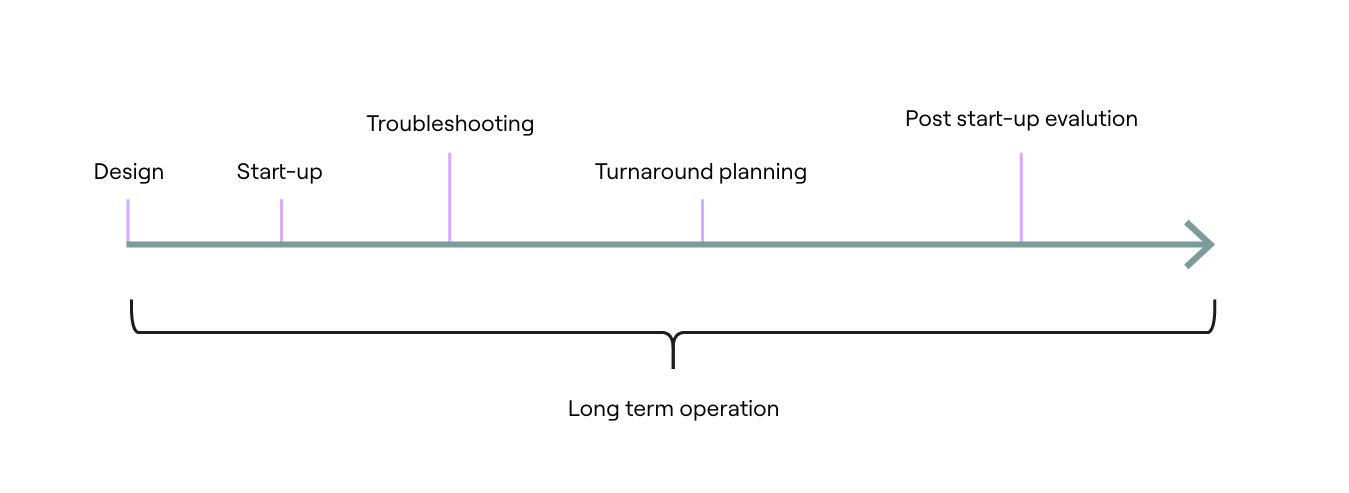
    Catalyst technical services are crucial tools throughout all stages of a plant’s life, from the original design, through start-up and troubleshooting, to effective planning of turnarounds (see Fig. 1). The more reliable and comprehensive the technical services, the more effective they will be at finding the best solutions to the problems that inevitably arise.

    Figure 1
    Figure 1: Key phases of the operating stages of a sulfuric acid plant where catalyst technical services can play key roles

    Design phase 

    The design of any plant is inevitably a compromise, typically between cost and performance, but also between CAPEX and OPEX. With a few exceptions, sulfuric acid plants are designed with the minimum catalyst volume possible to meet the SO₂ emissions legislation limits in the area where the plant is to be constructed. The gas composition used as the basis for the project is often a compromise between CAPEX involved in building the plant, and the expected OPEX of running it. As emissions legislation becomes more and more strict, and plants are optimized for local conditions and new developments, gas conditions become more and more varied. New gas conditions put more strain on the capabilities to simulate the full range of conditions properly to be sure that the conversion target is met with the most effective catalyst loading.

    Designing for different gas compositions

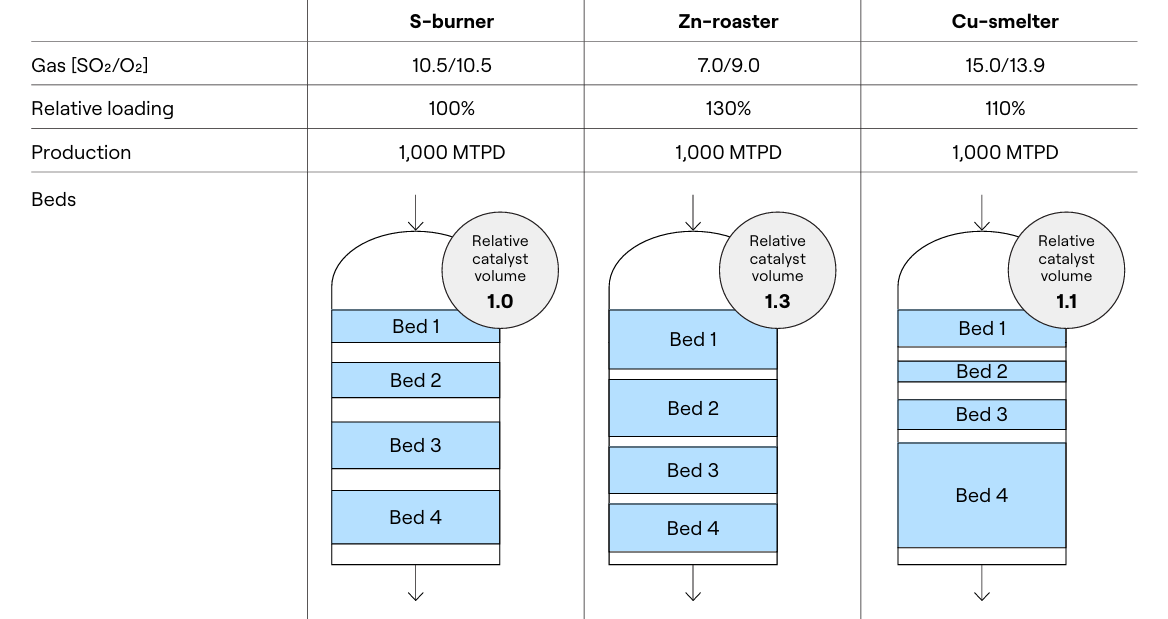
    To meet new, very low, emissions limits, it is not sufficient to use general loading guidelines to design the catalyst loading. To be on the safe side, adding more or more advanced catalyst loadings will get the job done, but it is hardly very cost effective. If one, on the other hand, seeks to meet low emissions limits with the most cost-effective solution, detailed simulation models and know-how is necessary. Using the models and knowledge, tailor-made loadings for the specific plant and case can be prepared, meaning that the new limits can be achieved safely by installing a minimum amount of catalyst. To demonstrate how different loadings for different scenarios may be, please see a comparison between loadings for plants based on sulfur burning, zinc roasting and copper smelting off-gases in Table 1 below. As seen in Table 1, the loading size and catalyst distribution is very different in the different scenarios. Needless to say, general guidelines will do a poor job of capturing this difference, resulting in either too big or too small catalyst loading.

    Table 1
    Table 1: Relative catalyst loading required to achieve 99.9% conversion at three different gas conditions

    With the design of most plants and catalyst loadings being compromises, it is important to have the ability to properly model the effect of changes that will influence the catalyst demands. Only through accurate simulations will one find the optimum compromise between installation cost, conversion and operational costs for the specific plant in question.  

    Start-up 

    Eventually the plant will have been designed and constructed and be ready for start-up. Start-up poses a very different challenge compared to running it at steady state. During or near steady state conditions, a well-maintained sulfuric acid plant with a state-of-the-art catalyst loading in the converter can achieve very low SO₂ emissions levels. Under transient conditions, however, the same low emissions can be hard to achieve. During start-up, shutdown, feed change, and process upsets, unfavorable operating conditions of the plant typically lead to increased emissions. These emissions are attracting more attention from regulatory authorities and proactive plant owners, and some plants have regulatory emission limit requirements during the start-up period. The general challenge for plant operators is to shut down and start up as fast as possible with a minimum fuel consumption and with minimum SO₂ and acid mist emissions.

    The dynamic behavior of the catalytic converter is of major importance in these situations. By using the right catalyst and operating strategies, many of the issues related to transient conditions can be reduced.

    Troubleshooting 

    In day-to-day operation, problems will be encountered which must be remedied in order to regain good performance. Sudden increase in SO₂ emissions is a common example and can be hard to diagnose without external advice as there are many potential root causes.

    The most common explanations for increased SO₂ emissions are:

    Catalyst deactivation

    Suboptimal catalyst bed temperatures

    Low absorption efficiency in intermediate absorption tower

    Uneven temperature or gas distribution over the cross-section of a catalyst bed

    Leaks in heat exchangers

    Leaks in the converter

    Stripping in the final absorption tower

    While the first three points may be possible for the operator to detect by following on-line data, the last four typically require other methods if they are to be detected while the plant is running.

    Planning for turnaround

    Regardless of how well a plant is operated and how effective a maintenance strategy an acid plant operator has in place, the time comes when the plant needs to be shut down for a turnaround. Equipment needs maintenance with regular intervals, it also gets worn and may need to be repaired or replaced, catalysts deactivate, and catalyst beds get plugged by dust from the feed gas.

    To be able to make the right choices to ensure that the plant performs optimally during the next operating cycle, three things are crucial to know:

    What is the current state of the plant?

    What are the requirements during the next operating cycle?

    How should the requirements be achieved?

    The operator normally has a good idea of the future requirements, but to fully know the current state of the plant and what needs to be done to meet future requirements is more difficult. Catalyst technical services can help operators shed some light on both these important questions.

    Evaluating the state of the acid plant and catalyst

    Evaluating the current state of the acid plant can be divided into two categories: the performance of the catalyst beds and the mechanical state of the plant. Knowing the performance of the catalyst beds is crucial to be able to decide if beds need to be screened or replaced. Although pressure drops, temperature increases and SO₂ emission recordings on-line can give hints as to which beds need to be attended to, finding the optimum replacement strategy is difficult without having access to reliable estimates of the current catalyst activity. Catalyst services like TOPGUN studies, sample activity analysis and performance assessment of plant data can offer this key information. Knowing the mechanical state of the plant is just as important to plan a successful turnaround. If equipment needs to be repaired, or even replaced, this needs to be prepared well in advance of the turnaround and time needs to be allocated during the turnaround itself.

    Although many mechanical issues will require other expertise to be identified and solved, catalyst services can be a key component by finding some common critical issues, such as:

    Low absorption efficiency in intermediate absorption tower

    Uneven temperature or gas distribution over the cross-section of a catalyst bed

    Leaks in heat exchangers

    Leaks in the converter

    Stripping in the final absorption tower

    Finding the optimum catalyst replacement solution

    Knowing the current state of the plant and catalyst is only the first step towards a turnaround that ensures successful operation during the next operating cycle. Being able to use that information optimally, coupled with knowledge of future demands, is just as important in order to design the best catalyst replacement solution possible. To some degree, this exercise is similar to when designing the original catalyst loading as described previously in this paper, meaning that being able to accurately predict the effect of different conditions is crucial. For an existing installation, it does however become more nuanced, both because the existing catalyst and equipment impose different limitations, and because there will typically be more valid options to reach the same goal. Plant specific circumstances will determine which solution is optimal for that plant.

    After start-up evaluation 

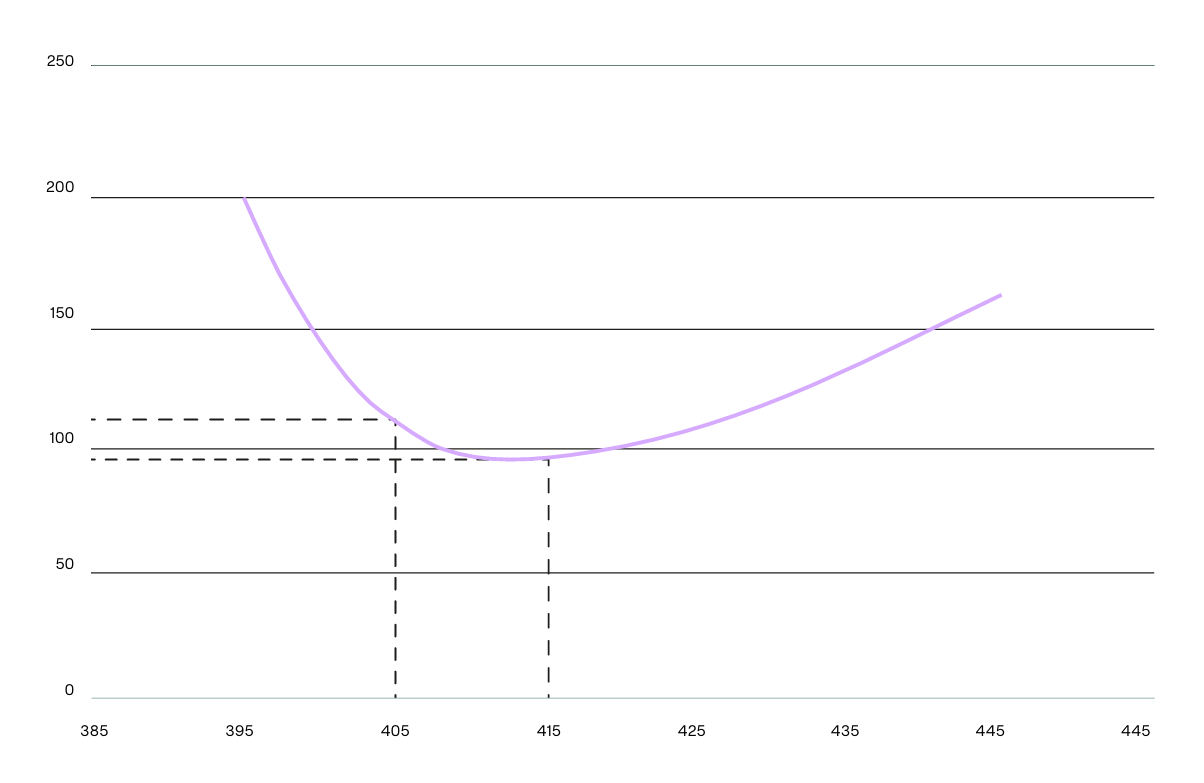
    Once the plant starts back up and has had time to settle in, it is prudent to evaluate its performance. One reason is that it is important to ensure that the catalyst and plant perform as predicted, another is that some performance parameters are often different than expected, and that operating parameters need to be adjusted accordingly. Finally, the catalyst and plant will typically perform better at start-of-run, meaning that there is room for optimization to utilize the better performance. The effect of optimizing inlet temperatures is shown in Fig. 2 below. The graph in Fig. 2 shows that a plant with a catalyst loading with an activity that could achieve SO₂ emissions of 100 ppm will do so at the given conditions and with optimized inlet temperatures. It also shows that the same loading will have emissions of close to 115 ppm if the inlet temperature is 10 ºC too low. This does not only show the importance of continuously optimizing the inlet temperature to the catalyst bed, but also the importance of accurate and representative temperature measurements. Although everything should run perfectly just after start-up, that is not always the case.  

    Figure 2
    Figure 2: Effect on SO₂ emissions of operating the last bed 10ºC below optimal temperature

    Your shortcut to peace of mind

    As can be seen in this article, adding extra safety margins in the design of the plant and catalyst and when planning maintenance activities will often ensure good performance, but it will not compensate for all potential issues, nor is it very cost effective. Having access to good quality catalyst technical services, on the other hand, is cost efficient and enables acid plant operators to tackle optimization problems and issues that may arise during design, start-up, troubleshooting, turnaround preparation and post turnaround optimization. The conclusion is clear: by teaming up with the right service provider, acid plant operators can achieve peace of mind – and protect their plants and profits.

    Explore the full whitepaper, including a number of real world industrial examples here.

    Contact Us

    Want to get to know us better - get in touch!

    Take a deeper look

    cover-temp-720x406

    Our solutions

    Explore our diverse range of proven solutions for transforming renewable resources into fuels and chemicals.

    cover-temp-720x406

    Knowledge and insights

    Stay ahead of the curve by continuously updating your knowledge of the latest energy trends.

    cover-temp-720x406

    Our technologies

    Delve into our different technologies for producing low-carbon and conventional fuels and chemicals as well as for ensuring clean air.

    cover-temp-720x406

    Our podcasts

    Join the conversation on renewable fuels and circular plastic with industry experts and influencers as they discuss emerging trends and best practices.

    cover-temp-720x406

    About us

    We were founded by Dr. Haldor Topsøe in 1940. Today, we are a leading global provider of technology and solutions for the energy transition.

    cta-icon-1

    Get the latest

    Keep up with the latest news and inside stories from Topsoe.

    cta-icon-2

    Join our team

    We turn challenges into opportunities. Sound like something for you? Explore our current vacancies here.

    Topsoe_People_Pictures_-_Frederiksund_Outdoor_9_1