What are the differences between organic and inorganic sources of silicon and how each impacts refining operations?
Organic silicon compounds are the most well-known in the industry because they originate from a common process – the delayed coker – where anti-foaming chemicals are added, specifically in the coker drums. These compounds are known as polydimethylsiloxanes, or PDMS.
PDMS breaks down into smaller fragments that are carried downstream with various fractions into hydroprocessing units. This represents one type of silicon that can be present in the feed.
The other type is inorganic silicon. While less common, it is still present in various processes. For example, during co-processing of FCC slurry, FCC fines – which contain silica – can be present. Inorganic silicon can also come from mineral clays or sand particles, such as when processing certain Canadian crudes.
These inorganic sources are typically physical particles that can cause plugging or fouling downstream in the process. That is the main distinction between organic and inorganic silicon.
Why is accurate detection of silicon type so important?
That’s a very important question, because accurate detection enables process optimization.
Refineries typically don’t have the capability to distinguish between different silicon species. However, knowing whether silicon is organic or inorganic allows us to optimize reactor grading and catalyst selection.
This means we can better protect the unit against pressure drop and catalyst deactivation while finding the right balance based on the feedstock characteristics.
At Topsoe, we perform in-house analysis using two types of equipment. One is GC-AED, or gas chromatography with atomic emission detection, which allows us to identify specific organic silicon compounds in the feed. This equipment is not commonly available at refinery sites because it is expensive, requires significant maintenance and needs specialized technicians to operate.
The more common equipment is ICP-MS, inductively coupled plasma mass spectrometry, which measures total silicon – both organic and inorganic combined.
By comparing results from these two techniques, we can determine how much inorganic silicon is actually present. This enables optimization of reactor sizing, including guard reactor volume and required activity, to protect catalysts from both types of silicon, which deposit through different mechanisms.
Understanding the nature of the feed allows us to mitigate these two different challenges in hydroprocessing operations.
Can you explain how anti-foaming agents like PDMS break down in delayed cokers and end up harming catalysts?
PDMS is commonly used in delayed coker drums, which operate at very high temperatures – around 400°C (750–800°F). PDMS molecules are relatively large, typically greater than 30 angstroms.
When exposed to these temperatures, PDMS decomposes into smaller, volatile cyclic siloxanes. These siloxanes distribute into various product fractions produced by the delayed coker, such as naphtha, kerosene, diesel and heavy gas oil.
These streams then feed downstream units, such as hydroprocessing units. Once there, silicon deposits on the catalyst surface, forming silicon–oxygen–aluminum bonds with the catalyst support. This deactivates the catalyst, impacting both HDN and HDS activity.
Eventually, the catalyst reaches a point where it can no longer trap silicon and silicon begins slipping into product streams. This can contaminate downstream units such as isomerization and reforming, which use very expensive noble-metal catalysts.
This contamination leads to activity loss, yield loss and potentially salt formation – creating significant operational challenges that refiners want to avoid.
What are the main mechanisms by which silicon poisons catalysts and why is the silicon–oxygen bond so problematic?
The primary mechanism of silicon poisoning is the reaction between silicon-containing compounds and hydroxyl (OH) groups on the catalyst surface. This reaction forms silicon gels that cover catalyst sites and restrict access to active sites, reducing catalytic activity.
The silicon–oxygen bond is particularly problematic because it is very strong, with a higher bond energy than carbon–carbon or carbon–oxygen bonds. This makes it thermodynamically stable and irreversible.
In fact, silicon becomes incorporated into the alumina structure rather than simply depositing on the surface. Once these structures form, access to active sites is permanently restricted, resulting in irreversible loss of activity.
How can refineries manage silicon poisoning?
The best approach is prevention – stopping silicon from entering the unit in the first place. This includes implementing more stringent contaminant limits for crude and third-party feedstocks, as well as carefully controlling the dosage and use of anti-foaming agents containing PDMS.
However, some silicon will inevitably reach hydroprocessing units. That’s where tailored catalyst loadings become essential. These include guard materials designed to maximize surface area and silicon absorption capacity.
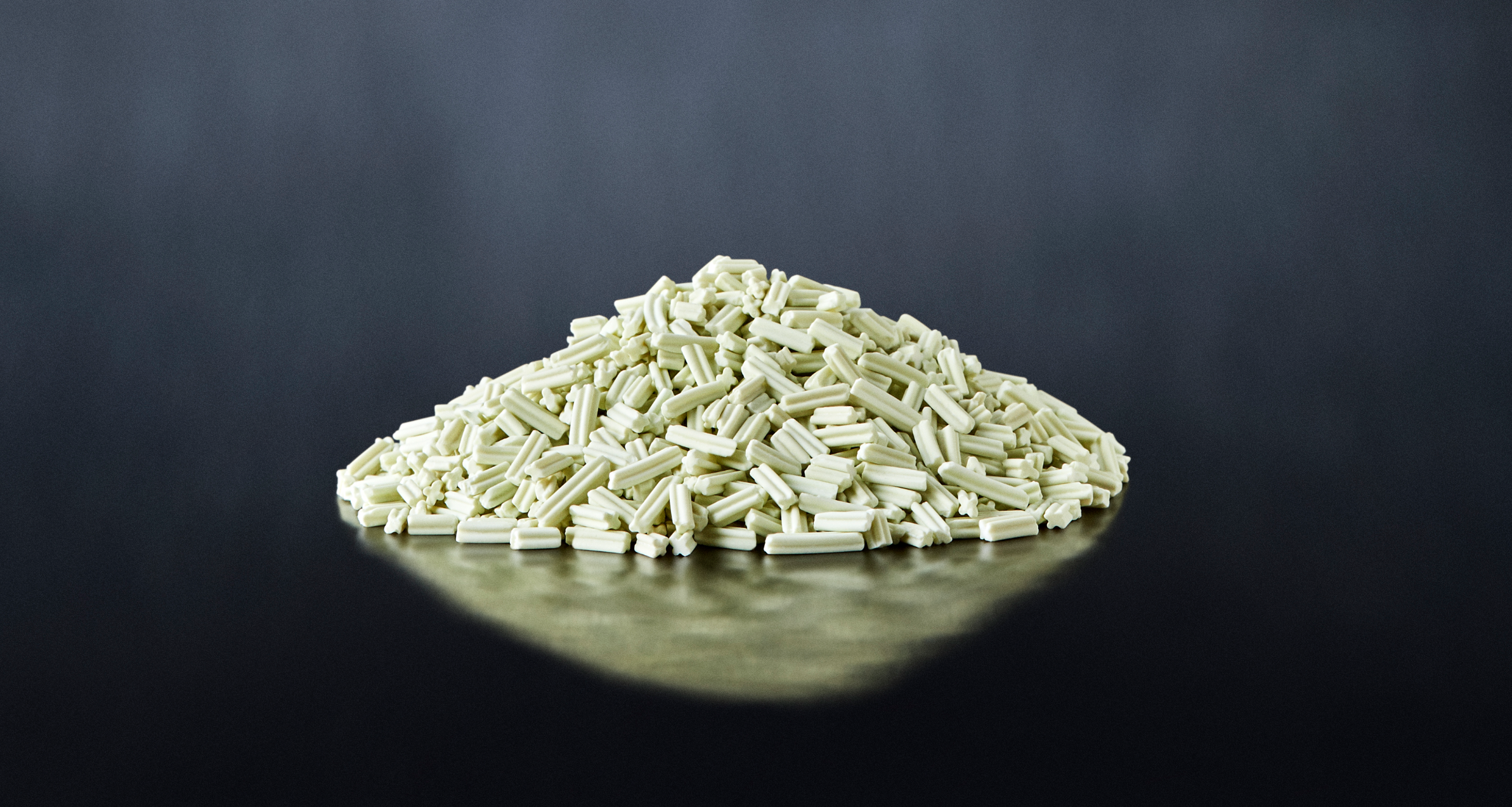
Selecting the optimal silica guard depends on the type and size of siloxanes in the feed. Topsoe’s silica trap catalysts are engineered with specific pore structures and high-purity alumina matrices to capture a wide range of silicon compounds.
This extends cycle length in hydroprocessing units and protects downstream reforming and isomerization units that rely on expensive catalysts.
Topsoe has delivered a comparative evaluation of two catalyst support formulations. Can you walk us through your findings?
Silicon trapping relies on reactions with hydroxyl groups, which are provided by alumina. There is a misconception that higher surface area alone leads to higher silicon pickup capacity.
Some competitors have added silica to catalyst formulations to increase surface area. However, our study compared a 100% alumina carrier with one containing 3% silica.
The results showed that adding silica actually reduced silicon capacity by about 30%, even though surface area increased by 6%. This demonstrates that incorporating silica into the support is detrimental and does not improve silicon uptake.
Can you describe Topsoe’s existing catalyst options and recent developments?
Topsoe has provided silica trap catalysts for decades. Our TK-400 SiliconTrap™ series has evolved through several generations: TK-43X SiliconTrap, TK-44x SiliconTrap and the latest, TK-46X SiliconTrap.
The newest generation offers 10–15% higher volumetric silicon pickup capacity and improved HDN and HDS activity, and improved 7-11 % HDN and HDS activity.
Our newest products, TK-461 SiliconTrap and TK-467 SiliconTrap, are designed to be used together. TK-461 SiliconTrap provides higher activity with lower capacity, while TK-467 SiliconTrap offers higher capacity with slightly lower activity. Combining them allows us to tailor solutions based on refinery objectives.
Your pilot studies show improved activity and longer cycle lengths. How significant is this?
It’s very significant.
Compared to previous generations, our new silica trap products deliver up to 13% higher nitrogen removal activity and up to 7% higher sulfur removal, along with up to 15% improved silicon uptake.
This allows better balancing of activity, silicon capacity and pressure drop within fixed reactor volumes, resulting in longer cycle lengths, lower operating costs, better asset utilization and improved profitability.
Finally, what do you see as the next frontier in combating silicon contamination?
The next frontier is predictive silicon monitoring. This involves feed characterization and real-time silicon monitoring using Topsoe’s connected service platform, ClearView. This enables proactive contamination mitigation and optimized catalyst protection strategies.
Topsoe remains committed to continued R&D investment to deliver cutting-edge catalyst solutions that help refiners meet evolving challenges.



.png) Topsoe Academy™ Topsoe Academy™ is your chance to tap into over 80 years of accumulated knowledge Find out more
Topsoe Academy™ Topsoe Academy™ is your chance to tap into over 80 years of accumulated knowledge Find out more Discover how we meet the new energy reality to drive a sustainable future. Read
 If you’re ready to work alongside inspiring people like Hadise, Go solve at Topsoe.A place to make an impactRead