
.png)

/Half-year-statement-2026-dropdown-menu-272x204px.jpg)




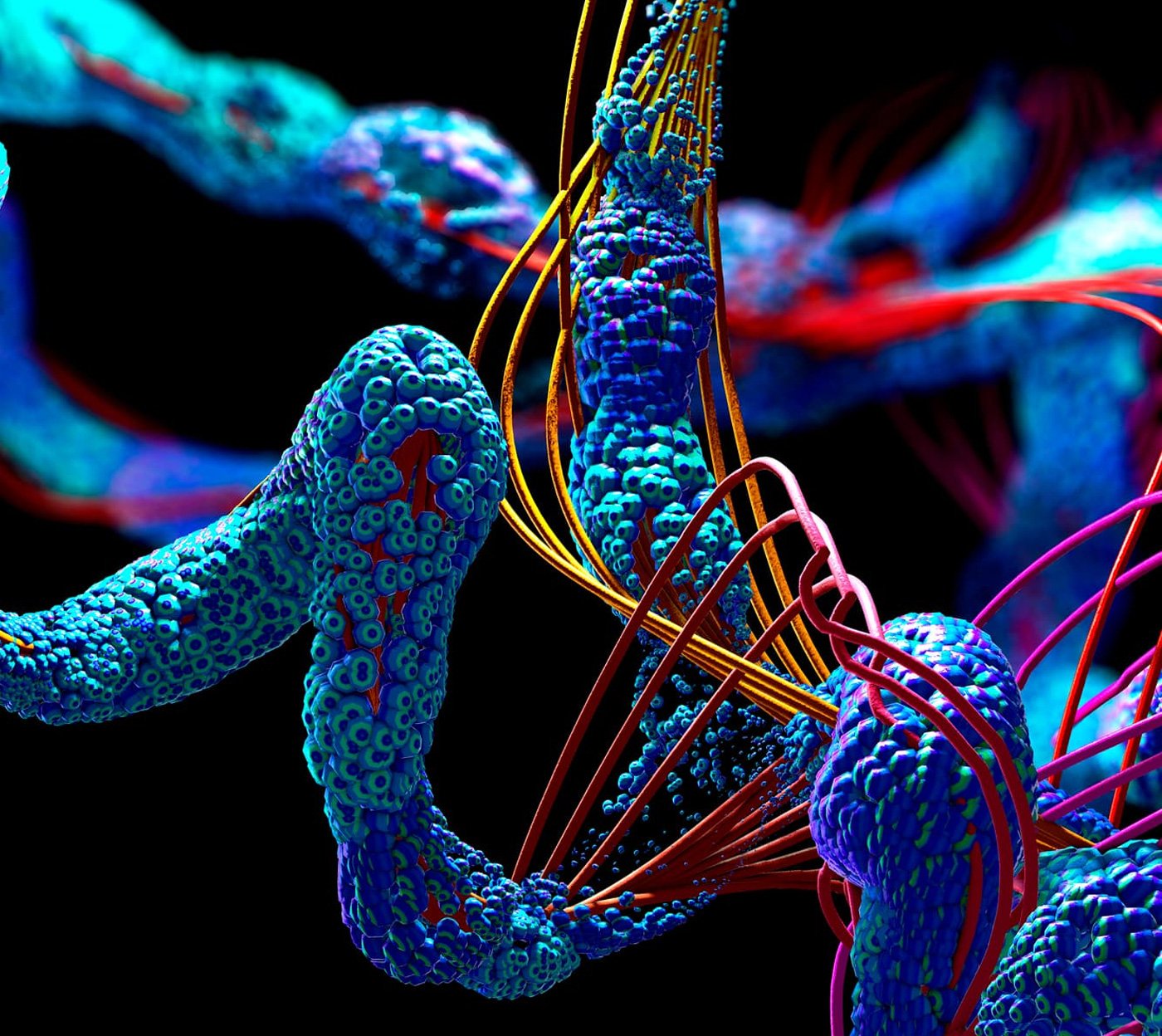
This project brings together a consortium of companies and university researchers, including Topsoe, Novonesis, Washington University and the Novo Nordisk Foundation CO2 Research Center (CORC) at Aarhus University. The principle behind the project is, at least on the surface, incredibly simple. Fermentation requires sugar, which is what the different bacterias and microorganisms feed on that creates the carbon dioxide, alcohol and/acid that results in a ‘fermented’ product. While ferments can be done using the naturally occuring sugars found in some fruits and vegetables, fermentation at an industrial scale require the addition of refined sugar, a crop that currently takes up around 65 million acres worldwide and at least 25% of the dedicated farmland of roughly a dozen countries1. This, however, does not apply if acetate (more commonly known as vinegar) is introduced into the process – it bypasses the need for sugar altogether.
The purpose of the consortium is to solve this problem by using CO2 captured from production facilities to produce acetate that can then be used in a fermentation process that will produce proteins for human consumption. This is not only an interesting exploration into new uses for CO2 capture, but could open up the possibilities of creating a sustainable alternative to animal protein and enable stable food production to feed the world’s growing population. This consortium is supported by the Gates Foundation and the Novo Nordisk Foundation, with a total combined funding of up to DKK 200 million.
.jpg?width=1440&name=GettyImages-1805849861%20(1).jpg)